Foundations are the critical interface between any structure and the ground beneath it, and in Manchester, getting them right is non-negotiable. This category encompasses the full spectrum of geotechnical analysis and design required to transfer building loads safely to the underlying soils, from initial site investigation through to detailed design of deep and shallow systems. Whether you are planning a modest extension in Didsbury or a multi-storey residential block in the city centre, the performance of the foundation determines the long-term stability and serviceability of the entire project. A thorough bearing capacity analysis forms the starting point, ensuring that the ground can support the proposed loads without excessive settlement or shear failure.
Manchester's geology presents a particularly varied picture that demands local expertise. Much of the city centre and southern suburbs are underlain by glacial till, a stiff, overconsolidated mix of clays, silts, sands and boulders deposited during the last ice age. This material generally offers good bearing capacity but can be highly variable over short distances. Beneath the till, the Carboniferous Cheshire Basin comprises interbedded sandstones, siltstones and mudstones of the Pennine Lower Coal Measures, which have been extensively worked in the past. This legacy of shallow mine workings, combined with natural solution features in some sandstone layers, means that foundations on fill and made ground require particularly rigorous investigation to mitigate collapse risks.
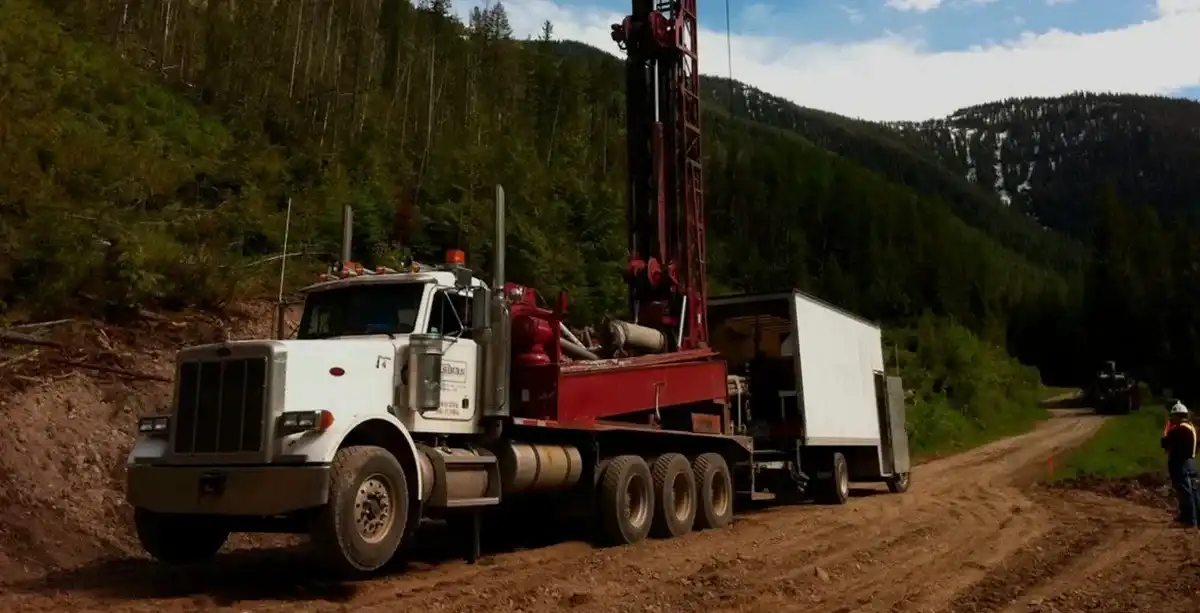
All foundation design in the UK must comply with the stringent requirements of Eurocode 7 (BS EN 1997) and its UK National Annex, which establishes a limit state design philosophy grounded in geotechnical investigation to BS EN 1997-2 and BS 5930. In Manchester, the local authority's Building Control team will expect a Ground Investigation Report that characterises the site-specific risks, including potential for mining instability, which often triggers the need for a Coal Mining Risk Assessment. For projects in seismically active zones, although the UK is a low-seismicity region, seismic foundation design to BS EN 1998 may still be necessary for high-consequence structures or those on particularly sensitive soils, ensuring ductile behaviour under rare earthquake loads.
The types of projects that demand specialist foundation engineering in Manchester are diverse. High-rise residential and commercial towers in areas like Greengate and Deansgate typically rely on deep pile foundation design to bypass the variable drift deposits and transfer loads to the competent bedrock. In contrast, industrial sheds and low-rise housing on the city's periphery may be suited to a raft/mat foundation design, which spreads loads over a wide area to accommodate soft or variable ground. The city's Victorian terraces, when extended or underpinned, frequently require micropile solutions to thread through constrained access and party wall restrictions. Each project demands a tailored approach that balances geotechnical performance with buildability and cost, making early engagement with a specialist essential for navigating Manchester's complex ground conditions successfully.
Available services
Bearing capacity analysis
→ Ver detalleExpansive soil evaluation
→ Ver detalleFoundations on fill (analysis)
→ Ver detalleMicropile design
→ Ver detallePile foundation design
→ Ver detallePile skin friction vs. end bearing analysis
→ Ver detalleRaft/mat foundation design
→ Ver detalleSeismic foundation design
→ Ver detalleShallow foundation design
→ Ver detalleQuick answers
What are the main signs that a site in Manchester needs a deep foundation rather than a shallow one?
Deep foundations are typically required when competent bearing strata are too deep for economical shallow footings, or when near-surface soils are weak, compressible or contain obstructions. In Manchester, the presence of thick made ground, soft alluvium along river corridors, or a Coal Authority mining report indicating shallow unrecorded workings will often dictate a piled solution to bypass these hazards and reach stable glacial till or bedrock.
How do Manchester's glacial till soils affect foundation design compared to other UK regions?
Glacial till in Manchester is a dense, overconsolidated diamicton with high undrained shear strength, generally providing excellent bearing. However, its heterogeneity means properties can change abruptly, and it often contains lenses of water-bearing sand or silt. This demands a site-specific investigation strategy and careful consideration of groundwater control during construction, more so than in regions with more uniform clay strata.
What role does a site investigation play in foundation engineering for Manchester projects?
The site investigation is the cornerstone of any foundation project, as it defines the ground model upon which all design decisions rest. In Manchester, it must comply with BS 5930 and BS EN 1997-2, and typically includes boreholes, trial pits and laboratory testing to characterise the till, assess bedrock depth and integrity, and screen for contamination. This data feeds directly into bearing capacity and settlement analyses, ensuring the chosen foundation type is both safe and economic.
Are there specific building regulations in Manchester that govern foundation construction?
Yes, all foundation works must satisfy the Building Regulations 2010, particularly Approved Document A (Structure), which references Eurocode 7 for geotechnical design. Manchester City Council's Building Control service enforces these, and will require a full Ground Investigation Report and foundation design package. For sites in former mining areas, a Coal Mining Risk Assessment is mandatory, and any intrusive works into coal measures may require a permit from the Coal Authority.