Many contractors in Manchester assume that placing fill directly on the region's soft alluvial deposits will settle uniformly over time. That assumption regularly leads to differential settlements, structural cracking, and costly delays. The city's shallow water table and thick layers of compressible clay demand a controlled approach. That is where preloading with surcharge design becomes essential. By applying a temporary load greater than the final design load, we accelerate primary consolidation and reduce post-construction settlement. Before starting any preloading programme, we always run a full site investigation to characterise the soil profile accurately. Skipping this step often means guessing the drainage path and overestimating the time needed — a mistake that can derail project budgets.
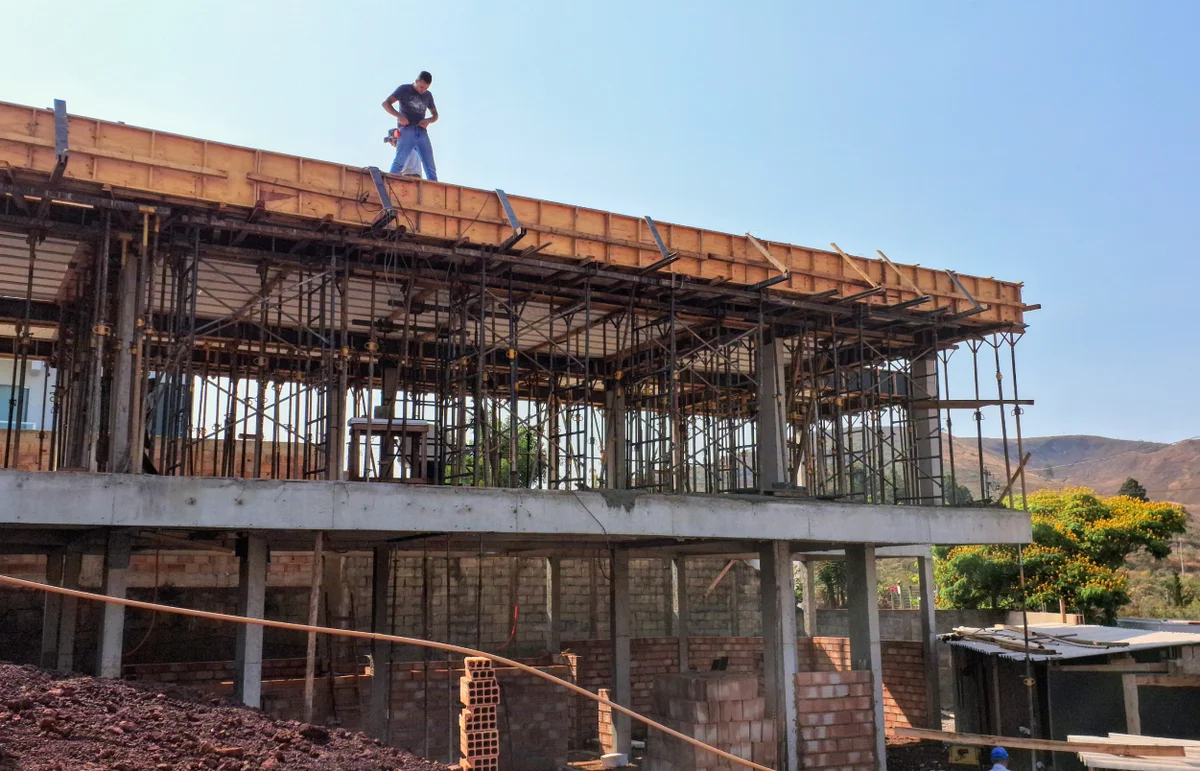
A properly designed surcharge programme can reduce post-construction settlement by over 90 % compared to untreated soft ground.
Scope of work in Manchester
Critical ground factors in Manchester
The most overlooked risk in preloading with surcharge design in Manchester is foundation instability during the surcharge application. When we place 4 or 5 metres of fill on soft clay, the undrained shear strength may not be enough to prevent a rotational failure or a bearing capacity failure. We always model the factor of safety using limit equilibrium methods before the first truck arrives. If the safety factor drops below 1.3, we stage the surcharge in lifts or use a lighter starter fill. Another common issue is underestimating the lateral displacement of adjacent utilities or existing structures — something we check with inclinometer arrays and a careful review of the site boundaries.
This service complements our laboratory testing work for a complete project analysis.
Our services
We offer a full suite of activities to support preloading with surcharge design in Manchester:
Surcharge design & optimisation
We calculate the required surcharge height, consolidation time, and staged loading sequence based on site-specific oedometer data and groundwater conditions.
Settlement monitoring & instrumentation
Installation and weekly reading of settlement plates, standpipe piezometers, and inclinometers to verify that the preloading is performing as designed.
Vertical drain integration
Design and supervision of prefabricated vertical drains (PVDs) combined with surcharge to accelerate consolidation in Manchester's soft clay deposits.
Quick answers
How does preloading with surcharge differ from simple fill placement?
Simple fill placement is often done without a geotechnical design and relies on the soil settling naturally. Preloading with surcharge design applies a controlled load greater than the final working load to force primary consolidation before construction begins, reducing post-construction settlement to negligible levels.
What is the typical cost range for a preloading with surcharge design in Manchester?
The cost for a preloading with surcharge design in Manchester typically falls between £690 and £1.990, depending on site size, soil complexity, and the need for instrumentation or vertical drains. Contact us for a quotation tailored to your project.
Can preloading be used on sites with shallow groundwater?
Yes, but the surcharge design must account for the groundwater level. In Manchester's low-lying areas, we often combine preloading with vertical drains and temporary dewatering to prevent pore pressure build-up and to accelerate consolidation.
How long does the surcharge need to stay in place?
The duration depends on the soil's coefficient of consolidation, the thickness of the compressible layer, and the drainage conditions. Without vertical drains, it can take 12 to 24 months. With drains, we typically achieve 90 % consolidation in 3 to 6 months.
What monitoring is required during the preloading period?
We install settlement plates to measure vertical movement, piezometers to track pore water pressures, and inclinometers to detect lateral displacement. Readings are taken weekly during active surcharge and monthly after removal to confirm the ground is ready for construction.