On a recent residential development off Stockport Road in Manchester, we extracted undisturbed samples from a 14 m borehole through laminated clay and glacial till. The Shelby tube was advanced hydraulically at 1.5 m intervals to capture intact specimens for triaxial and consolidation testing. Before sealing each tube, we measured the recovery ratio and photographed the ends to document any disturbance. That careful procedure, combined with BS 5930:2015 site investigation standards for sample handling, gave the structural engineer reliable design parameters for a raft foundation.
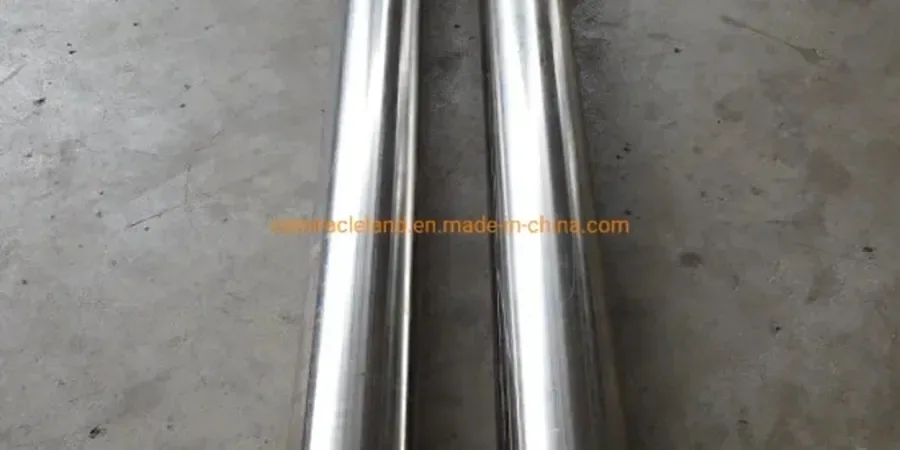
A Shelby tube sample that shows visible fissures or cobble drag marks should be discarded — the consolidation parameters will be unreliable.
Scope of work in Manchester
Our technicians follow a strict protocol:
- Clean the borehole base before advancing the tube at a constant rate of 1.5–2.5 cm/s.
- Seal the ends with wax immediately after retrieval, then store vertically at 4°C.
- Transport to the lab within 24 hours to preserve moisture content and structure.
Critical ground factors in Manchester
We often see Shelby tube samples from Manchester that arrive with the wax seals cracked because they were stored on a lorry bed exposed to direct sunlight. That allows moisture to escape and alters the void ratio before any lab test begins. Another common issue is pushing the tube through gravel lenses in the till, which compresses the soil inside and gives a false stiffness. Our field crew logs every tube with a disturbance rating (Class 1 to 5) so the engineer knows exactly which samples to use for strength parameters.
This service complements our laboratory testing work for a complete project analysis.
Our services
Beyond the standard Shelby tube extraction, we offer two complementary activities that support the same project phase:
Thin-walled tube sampling for soft clays
For Manchester's soft alluvial clays along the Mersey valley, we use 100 mm diameter thin-walled tubes with a piston to minimise disturbance. The piston prevents soil loss during withdrawal and keeps the sample intact through the water table.
Quality logging and visual classification on site
Each Shelby tube is logged for colour, fabric, plasticity, and any defects before sealing. We offer a field log sheet that links directly to the lab test results, so the geotechnical engineer sees a continuous record from borehole to report.
Quick answers
What is the maximum depth for undisturbed sampling with Shelby tubes in Manchester?
We have successfully retrieved Class 1 samples down to 28 m in the glacial till around Ardwick. Beyond that depth, the overburden pressure makes it difficult to advance the tube without distorting the sample, and alternative methods like triple-tube core barrels are used.
How much does undisturbed sampling with a Shelby tube typically cost in Manchester?
The price per undisturbed Shelby tube sample, including sealing and transport to the lab, generally falls between £340 and £890. The variation depends on depth, ground conditions (cobbles increase the risk of tube damage), and the number of samples required per borehole.
How do you preserve the moisture content of a Shelby tube sample from Manchester's clay till?
Immediately after extraction, we cut the sample to the tube length, apply molten wax at least 15 mm thick on both ends, and cap them with plastic lids. The tube is stored vertically in a chilled box at 4°C and reaches our lab within 24 hours. We also weigh the tube before and after to check for water loss during transport.
Can Shelby tube samples be used for direct shear testing?
Yes, but only if the sample diameter exceeds 70 mm and the soil is cohesive enough to trim a square specimen without crumbling. For Manchester's glacial till, we typically trim 60 mm x 60 mm blocks. If the till contains gravel, the shear plane will follow the gravel, so we prefer triaxial testing on the same material instead.