We recently advised on a landfill cap extension near the M60 ring road where the client needed clear specification for the geomembrane lining system. The challenge was selecting a material that could handle both the aggressive leachate chemistry and the differential settlement expected across the site. In Manchester, where brownfield redevelopment is common, getting the geomembrane specification right from the start avoids costly remedial work later. Our team works alongside civil engineers to define thickness, texture, and seam strength requirements based on the specific application, whether that is a lagoon liner or a gas containment layer. We also integrate with geotextiles for cushioning and drainage layers to manage leachate head pressures beneath the membrane.
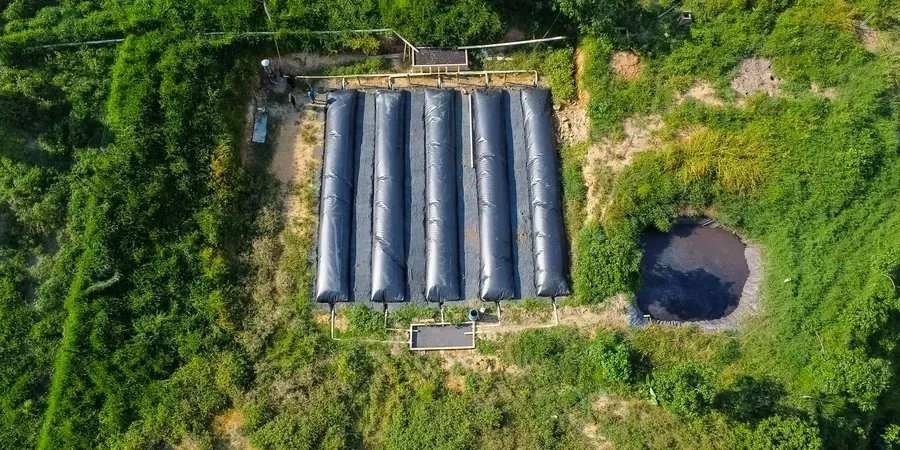
Getting the geomembrane specification right early avoids costly remedial work — thickness, texture, and seam strength must match the site's unique ground conditions and loading.
Scope of work in Manchester
- Material type: HDPE, LLDPE, PVC or reinforced options depending on chemical exposure and puncture risk
- Thickness: typically 1.0 mm to 2.5 mm, selected based on subgrade conditions and installation method
- Seam testing: destructive and non-destructive methods per BS 1377
- Interface friction: relevant when placing soil cover on slopes, often measured via direct shear testing
Critical ground factors in Manchester
Manchester's rapid 19th-century expansion created large areas of made ground, often tipped without engineering control. When these sites are redeveloped for modern uses like housing estates or retail parks, a poorly specified geomembrane can tear during installation or degrade prematurely due to buried obstructions. The industrial legacy also includes chemical hotspots that can attack certain polymers. Specifying the wrong material leads to leakage, regulatory fines, and remediation costs that dwarf the initial lining budget. Our specification process includes a forensic review of ground contamination data to match the geomembrane chemistry to the actual site conditions.
This service complements our laboratory testing work for a complete project analysis.
Our services
We offer three focused service lines around geomembrane specification. Each is tailored to the project stage and client need.
Material selection and specification writing
We review site data, chemical exposure, and loading conditions to produce a written specification covering material type, thickness, texture, and seam requirements. This document serves as the technical basis for procurement and quality control.
Installation quality assurance (CQA)
Our technicians oversee panel layout, wedge welding, extrusion welding, and seam testing on site. We issue daily reports and maintain a full photographic record for the project file.
Third-party review of existing specifications
If you have a draft specification from a consultant or contractor, we can review it for consistency with the ground conditions and intended use. We flag gaps in testing requirements or material compatibility before procurement.
Quick answers
What factors determine the geomembrane thickness for a Manchester site?
Thickness is selected based on subgrade roughness, cover soil depth, installation method, and chemical exposure. For landfill caps on made ground in Manchester, we typically specify 1.5 mm HDPE as a minimum, increasing to 2.0 mm where there is risk of puncture from buried demolition rubble.
How much does a geomembrane specification service cost in Manchester?
The typical range for a full specification including material selection, seam testing parameters, and a short site visit is between £530 and £1,500. Larger projects involving CQA oversight or complex chemical compatibility testing fall at the higher end. We offer a fixed fee after a brief scoping call.
Do you specify textured geomembranes for slope applications?
Yes, we routinely specify textured HDPE or co-extruded surfaces where the geomembrane is placed on slopes steeper than 3:1. The interface friction angle between the textured surface and the soil cover is tested per BS 1377 to confirm stability under saturated conditions.
What seam testing methods do you require in the specification?
We specify both non-destructive air lance testing per BS 1377 on all seams and destructive shear/peel testing per BS 1377 at a frequency of one test per 150 m of seam. For critical containment structures, we increase the destructive test frequency to one per 100 m.
Can you specify a geomembrane for a temporary construction pond?
Absolutely. For temporary ponds, we often specify a 1.0 mm LLDPE geomembrane because it offers good flexibility for irregular basin shapes and is easier to repair if punctured. We include UV stabilisation if the pond will be exposed for more than 60 days.